
Showing posts with label negative. Show all posts

Saturday, August 19, 2017

Guest Post - Positive Changes Help Cope With a Major Life Event

Going through major life changes can impact us in so many ways; some are positive, some are negative. In many cases, it’s difficult to know the right path to choose after such a big change, which can lead to stress, anxiety, and even depression. However, it’s possible to take these occurrences and use them to your advantage.

Some of the biggest life changes we experience include having a baby, losing a loved one, going through a divorce, getting married, and buying a new home. These events all run the risk of becoming very stressful times in our lives, but they also have the potential to change us for the better. Taking a period of transition and turning it into a reason to make positive changes in our behavior or way of thinking is a wonderful way to start down a new path in life. Not to mention that these changes can be highly beneficial for our mental and physical health.

Here are some of the best ways to get started.

Get healthy

Having a child or losing a loved one to illness are two of the greatest motivators in the world for getting healthy. Often, new parents or people who are dealing with grief feel they can’t take the time to focus on themselves, but it’s important to pay attention to your body and mental state. Lack of sleep is one of the biggest complaints of individuals who are going through a major life event, so work out a way to get adequate rest. Take naps often, and stay hydrated. Eat well-balanced meals, and include lots of fruits, veggies, and proteins to keep up your energy.
A healthy diet can equate to a healthy mind.

It’s also important to get a little exercise every day, even when you’re feeling low or tired. Exercise can help boost your mood and give you a burst of energy, and it can actually help boost your mental health as it releases hormones in the brain that are associated with being happy.

Clean up

Being in a clean environment can help you feel more in control--which is important after a major change, when everything can seem to be in chaos--so get organized and start de-cluttering. Go through closets and cabinets and donate or toss anything you haven’t used in a while. Give each room a good cleaning and air out your home. Not only will it be a better environment for your family, it will help you feel better, too. Having a clean, well-organized living situation can be beneficial for your mental health; after all, coming home after a long day to a cluttered home where chores await can amp up your stress levels and interfere with your sleep cycle. Read on here to find out more about how cleaning up and de-cluttering can improve your mental well-being.

Chuck those bad habits

Going through a major life change can be a great motivator for other areas of your life, such as smoking, using substances, or allowing toxic people to stay around. Take stock of what’s really important to you and think about the best ways to make some changes for the better. If you feel you need help getting past those habits, reach out and garner support from your friends and family.

Working on yourself and focusing on what makes you happy can allow you to enjoy life more. Finding a hobby or taking an interest in something new--such as learning a new language or traveling--will give you a new view on life and can help you be your best self inside and out.


It’s not always easy to make changes in your life, even when you know they’re best for you and your family in the long run. Take things one day at a time and don’t be hard on yourself if you don’t reach your goal right away. Making changes for the better takes time.


Guest Blogger Bio: Jennifer Scott has experienced anxiety and depression since she was a teenager. She shares stories about the ups and downs of her anxiety and depression at SpiritFinder. With SpiritFinder.org, Ms. Scott offers a forum where those living with anxiety and depression can discuss their experiences.

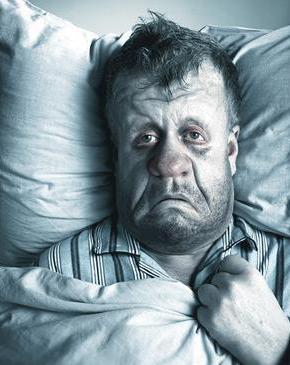
Photo via Pixabay by Jill111

Monday, July 14, 2014

Anxiety: Is it better to work or to stay at home with anxiety? (Guest Post)

This is a guest post from a friend I met online:

I have being thinking about this topic for some time now, because as a facilitator of an anxiety support group then there are a mixture of people who work or who are out of work because of their level of anxiety in the group. I have often wondered whether working through anxiety or staying home is the best method to lead to recovery. So it might be useful to explore these two options.

Option (1) Staying at home and making anxiety your guest.

For many anxiety suffers who are overcome with the symptoms and sensations of anxiety or panic then they may well have to take time off work to see a specialist, rest, let medication get into their system and inform themselves of just what anxiety is, how it affects us and how best to treat it. They may not be able to sleep or concentrate so working only adds to their anxiety levels. Yet the longer a person stays out of work the harder it is to get back into the working environment and the normal stress that make up a working day. 

Most people would have returning to work as a goal on their road to recovery so if you don’t return then how do you gauge recovery in a meaningful way. I don’t believe that anxiety suffers do not experience anxiety even when they stay at home with little or no chance of distraction. So why not return to work and see how you manage? Another problem about staying home is if you decide to work in the future then how are you going to explain the gap in your work history for the period you stayed at home.

I remember my own sister who was in hospital for twelve years (with PTSD) telling me that her doctor said it might be a good idea to look for work and when I asked her how was she going to answer the question of “what have you being doing for the last twelve years”. She said she never thought about that. So I asked her “are you going to say I was in a psychiatric hospital” and expect the person you’re talking to say “you are exactly the kind of person we are look for”. So think this one through before you apply for work but if your absence is only for a short time then this will not be a problem. One positive thing about staying home is everyone will know there is something wrong with you even when they can’t see it for themselves but I’m not sure that will lead to others showing you compassion or understanding. What do you think?


Option (2) Returning to work and working through your anxiety.

As an anxiety suffer who has always worked no matter how bad I felt then I have experience that I can call on to look at whether this is a good option and optimal to recovery. Let me first say that if you work through your anxiety then almost everyone around you will not take you serious when you tell them how bad you feel. Even other anxiety suffers will question just how bad you feel if you can work but if only that was the case. For twenty two years I worked as a self-employed carpenter and my business depended on my being able to function no matter how bad I felt. So in my case I never missed work as I was afraid that missing work would affect my reputation, my business and my ability to earn a living. But there were many times I would have giving anything to be put in hospital and become someone else’s problem.

The positives to working is that you have a lot of things that require your attention, planning ordering material, prioritizing work, sorting delivery of work dates and times. So I would be unable to do this without putting my anxiety to one side. Also every day I did manage to work I would congratulated myself on all my accomplishments for that day and this would give me the confidence to face tomorrow. As we all know, mental illness robs a person of their confidence and this can and is soul destroying but when you work no matter how hard it is that confidence grows slowly. I also had a policy of tackling the easy jobs first as this helped build confidence for anything that might go wrong because when you are feeling stronger, having already completed some of the tasks required then, when something does go wrong you are better equipped to deal with it in a rational and logical way. Another point worth mentioning is that many anxiety suffers find it hard to sleep but you will find that when working through you anxiety then sleep will return more naturally over time due to normal physical tiredness. The satisfaction of completing a difficult job does wonders for the confidence and when your confidence is up it is so much easier to believe that recover is not only possible but only a matter of time.

Summary: 

I have yet to meet anyone who suffers with anxiety or panic who does not experience these very same things even when they stay at home so why stay there as going out especially to work is going to distract you at the very least and it will also build your confidence. You are less likely to become depressed as lying in bed is one of the first signs of depression and remember that anxiety and depression are linked. Also the longer you stay indoors then the more likely you may be to develop agoraphobia and compound an already complicated suitiation.
Going to work will create its own stresses but they can be overcome with good preparation and planning. There is no doubt that some anxiety suffers are so terrified that going out its self seems insurmountable but at some time in order to make recovery a reality then a person will have to take risks and this might mean an increase in your anxiety level but in the long run it will build you up and make you stronger. 

This post is not to make a person who chooses to stay at home feel even worse and in no way is anyone’s choices being judged here rather it’s about looking at the options in the cold light of day and each person choosing their own option that will give them the best possible conditions to maximize their recovery but doing nothing is not an option at all. If you are unable to work then that’s OK. But for those who are able then the positives far out weight the negatives even when your own anxiety may increase short term only to subside as your confidence grows and you feel mentally and physical stronger. 

I hope this gives you something to think about and may it even help you in setting goals for yourself. You may decide to take up some form of hobby, try volunteering work at something that will not prove too taxing, or you might try working part time and see how this goes. If you have spent a considerable time out of work then getting back into the train of things will not happen overnight and it also might help if you told your employer about you fragile mental health as more and more employers are coming to understand that a mental illness can happen to anyone. But no matter what you do make it something that will build you up and give you hope for the future. Finally to every survivor who overcomes their daily struggle I salute you for your bravery and resilience. Be proud of yourself and heal yourself with love no matter what your mind tells you.

Please feel free to comment on your own experience either positive or negative and as always take care of yourself. Thanks  - Michael Groves


So, how do you feel after reading Michael's post? Which option would you choose? Why?

Wednesday, May 28, 2014

Change the Way You Feel

The topic is actually a question: Should you change the way you feel? We’ve been working with Dr. David D. Burns’ book, The Feeling Good Handbook. We’ve discovered how to diagnose our moods and now we are going to discuss if we should change our mood.

“Cognitive therapy is based on the idea that distorted thoughts, and not realistic ones, lead to unhealthy negative emotions like depression and anxiety. When you learn to think about your problems in a more positive and realistic way, you can change the way you feel.”

Straight from Dr. David D. Burns himself.

Dr. Burns asks this, “Are your negative thoughts and feelings always unrealistic?”

Think about that for a moment.

Tick. Tock. Tick. Tock.

Think about this. You work a long day at your job. You stop at the appliance store on the way home, pick out a new stove, have it delivered and when the box is opened and the stove is connected, it doesn’t work.

Disappointment. Despair. Negative thoughts out the whazoo!

These feelings are inevitable. But, are the unrealistic?

Dr, David D. Burns says this, “I believe that the argument that stress and depression are always realistic is just as absurd as the suggestion that people should try to be happy and successful all the time.”

Anger and irritability can be destructive. I agree. If you use it against others you can be quite hurtful. You can hurt others who have done nothing to you. So, the question is this:

“From a practical point of view, how can you know when you should accept your feelings, when you should express your feelings, and when you should change them?”

The following questions can help you decide:

  • How long have I been feeling this way?
  • Am I doing something constructive about the problem, or am I simply brooding and avoiding it?
  • Are my thoughts and feelings realistic?
  • Will it be helpful or hurtful if I express my feelings?
  • Am I making myself unhappy about a situation that’s beyond my control?
  • Am I avoiding a problem and denying that I’m really upset about it?
  • Are my expectations for the world realistic?
  • Are my expectations for myself realistic?
  • Am I feeling hopeless?
  • Am I experiencing a loss of self-esteem?


How long have I been feeling this way?
If you are still feeling guilty or angry about something that happened in the past, ask yourself, “Just how much longer do I intend to make myself miserable about this? What is the point for feeling so bad for so long?”

Am I doing something constructive about the problem, or am I simply brooding and avoiding it?
Sometimes a negative feeling becomes a way of life. You may feel sorry for yourself instead of doing something about the problem that’s bothering you. It’s important to grieve over the loss of a loved one and to surrender to the tears, to the feelings of loss, and to remember how much you cared about the one who died. However, we can only feel healed and whole if we will allow ourselves to feel broken. But, if you get depressed, become cynical and hopeless and give up on life, you’ve slid into depression. Get help.

Are my thoughts and feelings realistic?
Healthy negative feelings are based on a realistic appraisal of your circumstances. It is often best to express these feelings as constructively as possible. But, when your negative feelings are based on distorted and unrealistic thoughts, it is often better to change the way you think about the situation.

Will it be helpful or hurtful if I express my feelings?
The real question is: Whether or not you want to feel like that. Will it help you deal with the situation if you express your negative feelings? If the answer is “yes”, go ahead and express them, if the answer is “no”, it might be better to change your feelings.

Am I making myself unhappy about a problem that’s beyond my control?
Sometimes we refuse to accept situations that are beyond our control. It doesn’t do us much good.  You have plenty of other options if you’re willing to be creative and to think about the situation more positively.

Am I avoiding a problem and denying that I’m really upset about it?
Sometimes one emotion can be a substitute for another. You may be angry with someone, but you don’t admit it to yourself. You repress your feelings and get anxious and panicky instead. Your anxiety is simply a way of disguising a problem that you’d prefer to avoid.

Are my expectations for the world realistic?
Dr. David D. Burns feels that distorted thoughts and unrealistic expectations can lead to negative emotions. What do you think? Is frustration realistic? Maybe not, but it is a human emotion. You may be frustrated that the train is late, but by definition, this means your expectations are unrealistic. You can’t change the fact that the train is late. It’s difficult to change your way of thinking when it comes to this kind of situation because you may strongly believe that life should or must or ought to be the way you want it to be.
Are my expectations for myself realistic?
Some people beat themselves up because they think they’re not good enough or as happy or as successful as they should be. You may find it difficult to accept making a mistake. But, if you punish yourself and act as if your mistakes are unthinkable and unacceptable, it means you’re superior to the rest of us!

If you can accept your behaviors and your feelings as a normal part of any healthy, loving relationship, you’ll discover that you can often resolve problems far more easily and your negative feelings will more quickly disappear.

Am I feeling hopeless?
Hopelessness is nearly always a sign of unhealthy emotions. People who are suffering from depression or anxiety often feel this way. These feelings are nearly always based on a distorted assessment of yourself and your future. Your chances of feeling joy and self-esteem again are extremely high, even if it doesn’t seem so.

Am I experiencing a loss of self-esteem?
Low self-esteem can lead to unhealthy anger, anxiety, guilt, and depression.  If you berate yourself as worthless and unlovable, you’ll be giving yourself distorted messages and destroying your self-esteem.

Genuine self-esteem is based on humility and an acceptance of your shortcomings. This makes it possible to assume responsibility for your actions, to feel remorse, to apologize and make amends, and to get on with productive and joyous living.

Have you learned something important today? Negative thinking and negative feelings can be changed. You can live a more joyful life. Distorted thinking can be modified with your own thoughts.

If you are still unsure, or have more questions, please refer to The Feeling Good Handbook by Dr. David D. Burns M.D.


Copyright: geargodz / 123RF Stock Photo


Reference: The Feeling Good Handbook by Dr. David D. Burns M.D.


Wednesday, April 2, 2014

Surprising Things that Increase Anxiety

We all feel anxious at one time or another. A big test in school. A meeting with the boss. A confrontation with your spouse. Any and all of those things can make a person feel anxious.

There are those people that go beyond "natural" anxiety and actually have an anxiety disorder. I'm one of those people. I have a Generalized Anxiety Disorder and Social Anxiety Disorder. I also have OCD, Panic Disorder, and PTSD. Those are also anxiety disorders.

What are they, you ask?

Well, let's consult WebMD or Wikipedia, if you would prefer.

Anxiety is an unpleasant state of inner turmoil, often accompanied by nervous behavior, such as pacing back and forth, somatic complaints and rumination.[2] It is the subjectively unpleasant feelings of dread over something unlikely to happen, such as the feeling of imminent death.[3] Anxiety is not the same asfear, which is felt about something realistically intimidating or dangerous and is an appropriate response to a perceived threat;[4] anxiety is a feeling of fear, worry, and uneasiness, usually generalized and unfocused as an overreaction to a situation that is only subjectively seen as menacing.[5] It is often accompanied by restlessness, fatigue, problems in concentration, and muscular tension. Anxiety is not considered to be a normal reaction to a perceived stressor although many feel it occasionally.

What Are the Types of Anxiety Disorders?
There are several recognized types of anxiety disorders, including:
  • Panic disorder: People with this condition have feelings of terror that strike suddenly and repeatedly with no warning. Other symptoms of a panic attackinclude sweating, chest pain, palpitations (unusually strong or irregular heartbeats), and a feeling of choking, which may make the person feel like he or she is having a heart attack or "going crazy."
  • Obsessive-compulsive disorder (OCD): People with OCD are plagued by constant thoughts or fears that cause them to perform certain rituals or routines. The disturbing thoughts are called obsessions, and the rituals are called compulsions. An example is a person with an unreasonable fear of germs who constantly washes his or her hands.
  • Post-traumatic stress disorder (PTSD)PTSD is a condition that can develop following a traumatic and/or terrifying event, such as a sexual or physical assault, the unexpected death of a loved one, or a natural disaster. People with PTSD often have lasting and frightening thoughts and memories of the event and tend to be emotionally numb.
  • Social anxiety disorder: Also called social phobia, social anxiety disorder involves overwhelming worry and self-consciousness about everyday social situations. The worry often centers on a fear of being judged by others, or behaving in a way that might cause embarrassment or lead to ridicule.
  • Specific phobias: A specific phobia is an intense fear of a specific object or situation, such as snakes, heights, or flying. The level of fear is usually inappropriate to the situation and may cause the person to avoid common, everyday situations.
  • Generalized anxiety disorder: This disorder involves excessive, unrealistic worry and tension, even if there is little or nothing to provoke the anxiety.
Do you recognize any of these in you or someone you know?

What about symptoms?


Symptoms vary depending on the type of anxiety disorder, but general symptoms include:
  • Feelings of panic, fear, and uneasiness
  • Uncontrollable, obsessive thoughts
  • Repeated thoughts or flashbacks of traumatic experiences
  • Nightmares
  • Ritualistic behaviors, such as repeated hand washing
  • Problems sleeping
  • Cold or sweaty hands and/or feet
  • Shortness of breath
  • Palpitations
  • An inability to be still and calm
  • Dry mouth
  • Numbness or tingling in the hands or feet
  • Nausea
  • Muscle tension
  • Dizziness

Do you know that not just social situations can cause anxiety? iVillage has come up with a list of very surprising ways that cause anxiety triggers in a person. Most are controllable. Let's see them in detail.

Food additives: Aspartame, food coloring, dyes 
Many people report mood swings and anxiety after ingesting man-made sweeteners, like aspartame and high fructose corn syrup, food dyes (including Red #40 and Yellow #5) and flavorings like MSG. Direct links between artificial food additives and mood are still under investigation though they've been implicated as a cause of ADHD and autism in children. The fact is that dyes and artificial sweeteners are neurotoxins that can disrupt normal nervous system function, leading to increased symptoms of anxiety.

Over the counter drugs and supplements 
Medicines that contain caffeine, including several headache and migraine relievers, some cough medicines, decongestants, asthma medications and weight-loss supplements that includes stimulants, can lead to increased heart rates and a spike in feelings of anxiety. Popular herbal remedies and supplements like St. John's Wort, ginseng and kava kava may also cause or increase unease.

Food sensitivities 
Symptoms of food sensitivity can range from digestive issues like stomach pain to difficulty breathing. While both of these problems can cause anxiety, there's also increasing evidence that food sensitivities affect mood directly as well. Gluten, soy, dairy -- even chocolate -- can impact hormones lelvels and other key chemicals in the brain, upsetting the delicate balance needed to keep the body and mind in control of anxiousness.

Skipping meals 
In our harried, stressful world, skipping a meal here and there is all too common. What's more, many people who are anxious and stressed may feel they have no appetite or simply lack the desire to eat. But for most people used to regular meals, skipping meals causes a drop in the body's blood sugar levels. If prolonged, this drop may lead to increased feelings of anxiety and irritability. Other anxiety-provoking effects of low blood sugar are dizziness, light-headedness, confusion and weakness.

Dehydration
A 2009 study at Tufts University found a clear link between hydration and mood. The study found that student athletes who were just mildly dehydrated reported feeling angry, confused, tense and fatigued. Staying hydrated is essential to keeping the body's physiological functions running smoothly, including speeding the healing process and removing toxins. Drinking enough water daily may be one of the easiest ways to help the body control its nerves.

Caffeine 
Millions of people rely on a regular caffeine fix to jump start their day or to perk up when their energy nosedives. But too much is no good. "Caffeine-induced anxiety disorder" is actually a recognized condition found in The Diagnostic and Statistical Manual of Mental Disorders, the "bible" used by mental health experts throughout the United States. As most people are aware, too much caffeine can cause a racing heartbeat, which can trigger a panic attack. And while a little caffeine can improve one's ability to focus, too much may increase nervousness and a host of anxiety symptoms, like sweating palms, ringing in the ears, even feelings of impending doom.

Cigarettes, drugs and alcohol 
Relying on smoking, drinking or using drugs to feel calmer can backfire. Nicotine is a stimulant that studies have shown can raise blood pressure and heart rate. In addition, the carbon monoxide in cigarette smoke also may cause breathing problems that the body responds to as if it's suffocating, increasing the likelihood of panic attacks. As for alcohol and drugs, people suffering from an anxiety disorder are two to three times more likely to abuse these than the general population, according to the Anxiety and Depression Association of America. Both alcohol and drugs can lead to panic attacks and their disruptive effect on the central nervous system limits the brain's ability to calm the mind and body.

Nutrient deficiencies 
Make sure you eat your vitamins! B complex, C and E vitamins play important roles in nervous system function, and B vitamins particularly affect mood and metabolism. Magnesium is known to help relieve stress, thus a deficiency in this mineral may lead to irritability and apathy. Selenium, an antioxidant essential to the efficient function of neurotransmitters in the brain, helps control mood. And according to a 2006 study, people with lower levels of omega-3 polyunsaturated fatty acids were also at increased risk of anxiety.

Age 
As we age, we face multiple stresses that can bring on bouts of anxiety. Life events such as health changes, memory problems, the death of a spouse or even a seemingly happy change like retirement, can all be stress-provoking. The Geriatric Mental Health Foundation estimates that 10-to-20 percent of older adults suffer from anxiety, although many go untreated because they may not recognize the symptoms.

Negative thinking 
Many therapists stress that persistent negative thinking really does have a harmful effect on our emotional well-being. Ever hear of automatic negative thoughts (or ANT’s)? These are quick, unconscious, off-the-cuff criticisms that the mind churns out when faced with stressful situations. "Why did I do that?" "Why am I so dumb?" and other negative self-criticisms wreak havoc on your emotional state. The good news is that a therapist can help you identify these ANT’s and reduce the power they have on your psyche.

Unconscious cues
A song, smell or location can be unconsciously linked to a bad feeling or memory, which can be problematic. This is perhaps most common in cases of post-traumatic stress disorder (where, for example, a soldier hearing a loud bang may associate the sound with gunfire and thus become anxious), but it can occur in other types of anxiety as well. Identifying anxiety-provoking unconscious cues on your own can be difficult. However, with the help of a therapist it's possible to untangle this complicated process and put negative thoughts in their place.
To help control your anxiety or identify the triggers, you can go to this guide for more information. There are many things you can do to help yourself ease your anxiety or identify it and avoid it altogether.

Here are 11 Tips to Help Manage Anxiety at PsychCentral.

From Anxiety and Depression Association of America are tips to manage stress and anxiety.

For me, distraction is my biggest trick to help me alleviate stress or anxiety. I find something to occupy my mind that will push the anxiety away. One way to distract myself is to read God's word.

"Cast all your anxiety on Him because He cares for you." 1 Peter 5:7

What do you do to help alleviate your anxiety?