Monday, August 25, 2014

Mental Illness is Freeing - Guest Post


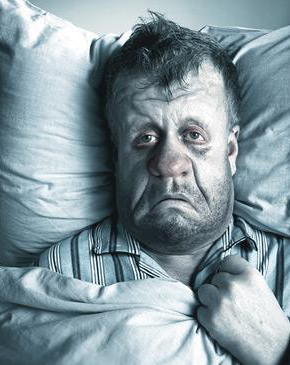
A gift that many people who have mental illness have been given is that of artistic expression. Through whatever medium that gift has been given, we are able to express ourselves, and within that expressiveness comes a freedom from the craziness that can surround mental illness. It is an expression of sanity and soundness of mind.

Within the scope of mental illness come many emotions, diagnoses, and stigmas. Much of the time, we are not treated as we should be, as people...and as people worthy of dignity and respect. Not only do we have past abusers, and many of us present abusers, the mental health system--the very system that we are looking to help us--fails us miserably. And for many, we want to run...runaway from it all--just to escape from all the craziness with which the whole mental illness thing brings with it and surrounds us.

I don't have all my mental health issues worked out or worked through, yet I have realized that the working out and working through of these issues is up to me and not up to others. Whether I receive the help I seek from mental health professionals or not, I am able and not disabled from helping myself. And as I am someone who feels that the mental health system, especially that of government services, is a failing system of healthcare, I have had to look to not only to God as a source of recovery, but to myself.

And as neuroscience develops, it is proving that the brain has the ability to heal itself and to change its neuropaths. But much of this depends on us. It is said, "Insanity is doing the same thing and expecting a different result." If this is true, then much does depend on us for our own recovery. I put blame for my illness on many people and circumstances. Though many people and circumstances did cause stressors that triggered the symptoms of my mental illness, I have learned that it was not these people and things I was running away from, but myself. And as I have taken responsibility, though still symptomatic at times, I feel empowered to have some control over my symptoms.

It was my general practitioner and not a psychiatrist who recently told me, "Your job is not to become psychotic." I agree. And I have given myself permission to be a person with a mental illness, to publicly be known as someone with a mental illness, and to take care of myself as someone with a mental illness. In these expressions, for me, has come a freedom that I have not known before, as secrets have been kept and illness closeted. But now I am out, and out there with those of you who have also put yourselves out there. We are the brave, and in our bravado, I believe, we are also free!

By Deborah Thorwart


 Copyright:
nexusplexus / 123RF Stock Photo

Monday, August 18, 2014

Blogging About Mental Illness - The Good, The Bad, The Ugly - Guest Blogger


Have you ever thought of blogging about mental illness or maybe you are a current blogger then I wonder if you have giving much thought to just why do you blog or why should I blog, or what can I expect if I blog and what type of reaction can I expect. Finally who is my target audience and is there any down side to blogging. Let’s look at some of these questions after all most of us bloggers wold never be blogging if it were not for our own mental illness or our experience of recovery

I suppose I have always being a blogger in one form or another as I have always noted my thoughts and stored them like someone packing for a vacation or a holiday. I was driving home early today and it was beautiful out, really warm and dry with the whole weekend ahead of me so I was feeling good and looking forward to making the best of this weather as we have had six continuous week of warm and sunny weather and I began to think about the reason I write between two or three blogs a week while waiting in traffic. It’s something I have never giving much thought to before so I’m going to do my best to analyses my motives and the process I use so I might better understand myself.


So why do I write my blogs in the first place?
My motive behind my writing is that I myself must find the subject interesting. If I do then I will make a start and I never worry about finishing it right through rather sometimes I like to go away and take a break and when I come back I still want to feel interested otherwise there is no point in writing in the first place. I also want to challenge my reader by making a statement that might be controversial and see how the readers react. 

I want to make a connection with the reader and when they say “hey I know exactly what you mean or how you’re feeling because I too have being there” this makes me proud that my post can mean that much to a complete stranger. 

I want to save others the pain I suffered by not knowing enough about my own illness and how it would affect me, what treatments there are and what part do I play in all this. I want my reader to know they are not alone. That what they are experiencing is completely normal for a person with a mental health problem. 

I want them to know that symptoms and sensations can be very distressing but that does not mean they are always dangerous. I want the reader to know that medication is not the only thing on offer to bring recovery or maintain mental wellbeing as there are many therapies as well as natural remedies to help a person recover from their mental illness. 

I want the reader to get to know me through my writings and to know it’s never too late to make a life for yourself no matter what your circumstances may be today.

So what is the process I use?
So at this stage I have picked a subject, one that I think will interest both you and me so I begin writing and let it flow. I never get writers block but I do have trouble sometimes phasing some sentences. Also if it were not for the spell checker then no one here would understand a word I’m saying. When my blog is finished I do a google search for an image that might suit the subject of my article. I never post it that day rather I wait at least a day and reread it multiply times while tweaking the wording and only then will I post my blog. I post my blog to twenty five google+ communities at the same time and then wait for people’s reaction.

What do I get out blogging? (The Good)
Well it helps me put down on paper some of the thing that often go through my mind. I find the interaction with my reader when they comment very insightful and rewarding. I love when others can connect with the subject matter of my blogs and share their own experience. Also there is no one who know everything about mental illness so we can all learn of each other. 

I get many 1+D for my blogs but it’s the comments that have more meaning, for me anyway. As soon as I have written a post I will wait until I have another topic before putting pen to paper but it’s not unusual for me to write three blogs at the same time but publish them one after another, off course with at least two days of a gap between each of them.

Is there a down side to blogging? (The Bad)
Yes there is a down side to blogging. First let me say that when I post my blog I am filled with fear about how the readers will react to the post. I also worry if my blog will cause offense to anyone. After all the audience I’m intending my blogs for is by definition a very sensitive one and I never know what each individual reader is going through at the time they read my blog as believe it or not it is much easier to hurt or irritate the reader without ever trying. 

I never mind a person pointing out something that might have hurt them or caused offense as long as they allow me the right of reply. This way I can explain that they were never in my thought when I wrote my article because by the time I post it, two or three days will have passed at the very minimum before posting. 

Another thing that can cause offense is the picture that often accompanies the blog themselves and this has happened to me twice in the last year. We all want to pick a picture that best matches our subject matter but in doing so we can cause offense without even being aware of how this occurred. Off course at this point then reassuring the person offended is all that really matters. They are more important than the blog itself. Every time I blog and post it in the communities then a little part of me is out there too so I can’t help worrying about how others will respond. I might add that I have being corrected, put in my place, educated, slated, rebuked and criticised in equal measure but that’s the risk a blogger takes by espousing themselves on line.

Would I recommend blogging to others? (The Ugly)
I would, to be honest but remember that the very audience we write for are a very sensitive bunch and we will never be able to cover every eventuality no matter how well-meaning we are as writers. Blogging helps clears the mind of thoughts such as guilt, regret, judgment, grieving, loneliness, isolation, hurt, abuse, stigma and can when done well even bring healing to others. Blogging is not going to change the world but you might find it changes your own mind before it will ever change others.

Never be afraid to exposé yourself as the more you do it the thicker a skin you will achieve. Only other bloggers know what this experience is like and we are exposing ourselves not for fame or notoriety but so that other mentally ill suffers will know they are not alone or are they forgotten. We want them to experience recovery just as many of us have experienced, we want to save them pain and suffering through ignorance and above all we want to break down stigma surrounding mental illness so that the next generation of suffers will be treated with compassion and understanding befitting a person enduring such a heavy burden.

Remember do not take offense by anything written as none was intended. Feel free to comment on your own experience with blogging on mental illness or if you have not done so yet would anything I have written here put you off. Sorry I told you it was sunny out and I’m off as I’m about to overheat at my laptop so take care and keep well my friends. Best wishes to all.

Written by Michael Groves

Monday, July 21, 2014

Bipolar is Not an Adjective - Guest Post


“She is bipolar.”  “You are bipolar.”  “I am bipolar.”

Why is the word bipolar used as an adjective?

Does someone with cancer say “I am cancer”?  How about “I am herpes.”  LOL.  It’s comical.

Well, it would be comical if illness-used-as-an-adjective didn’t convert it into an insult.

“You’re cancer.”

“You’re herpes.”


I am not bipolar.  You are not bipolar.
I have bipolar.  You have bipolar.
Illness is a noun, not an adjective.
Spread the word.


About Brooke Jones

My blog entries are my real-life.  Detailed for your amusement are my personal experiences of navigating this world armed only with mood swings, the attention span of a gnat and a shitload of character. 

I'm an avid hobbyist, convicted wordophile, and a ravenous collector of aliases.  This affliction began in early childhood.  Why be one person for your whole entire life, when you can be dozens if you want?  Titles include (but are not limited to):  HBIC, Americas Sweetheart, Brick House, Cat Five, Auntie, The Vibe, Alleged Felon, Pitbull Owner, and the most recently added moniker of "Delightful Prisoner."  Check out my blog “Cuffed n Stuffed” to read about how I earned that one.


Monday, July 14, 2014

Anxiety: Is it better to work or to stay at home with anxiety? (Guest Post)

This is a guest post from a friend I met online:

I have being thinking about this topic for some time now, because as a facilitator of an anxiety support group then there are a mixture of people who work or who are out of work because of their level of anxiety in the group. I have often wondered whether working through anxiety or staying home is the best method to lead to recovery. So it might be useful to explore these two options.

Option (1) Staying at home and making anxiety your guest.

For many anxiety suffers who are overcome with the symptoms and sensations of anxiety or panic then they may well have to take time off work to see a specialist, rest, let medication get into their system and inform themselves of just what anxiety is, how it affects us and how best to treat it. They may not be able to sleep or concentrate so working only adds to their anxiety levels. Yet the longer a person stays out of work the harder it is to get back into the working environment and the normal stress that make up a working day. 

Most people would have returning to work as a goal on their road to recovery so if you don’t return then how do you gauge recovery in a meaningful way. I don’t believe that anxiety suffers do not experience anxiety even when they stay at home with little or no chance of distraction. So why not return to work and see how you manage? Another problem about staying home is if you decide to work in the future then how are you going to explain the gap in your work history for the period you stayed at home.

I remember my own sister who was in hospital for twelve years (with PTSD) telling me that her doctor said it might be a good idea to look for work and when I asked her how was she going to answer the question of “what have you being doing for the last twelve years”. She said she never thought about that. So I asked her “are you going to say I was in a psychiatric hospital” and expect the person you’re talking to say “you are exactly the kind of person we are look for”. So think this one through before you apply for work but if your absence is only for a short time then this will not be a problem. One positive thing about staying home is everyone will know there is something wrong with you even when they can’t see it for themselves but I’m not sure that will lead to others showing you compassion or understanding. What do you think?


Option (2) Returning to work and working through your anxiety.

As an anxiety suffer who has always worked no matter how bad I felt then I have experience that I can call on to look at whether this is a good option and optimal to recovery. Let me first say that if you work through your anxiety then almost everyone around you will not take you serious when you tell them how bad you feel. Even other anxiety suffers will question just how bad you feel if you can work but if only that was the case. For twenty two years I worked as a self-employed carpenter and my business depended on my being able to function no matter how bad I felt. So in my case I never missed work as I was afraid that missing work would affect my reputation, my business and my ability to earn a living. But there were many times I would have giving anything to be put in hospital and become someone else’s problem.

The positives to working is that you have a lot of things that require your attention, planning ordering material, prioritizing work, sorting delivery of work dates and times. So I would be unable to do this without putting my anxiety to one side. Also every day I did manage to work I would congratulated myself on all my accomplishments for that day and this would give me the confidence to face tomorrow. As we all know, mental illness robs a person of their confidence and this can and is soul destroying but when you work no matter how hard it is that confidence grows slowly. I also had a policy of tackling the easy jobs first as this helped build confidence for anything that might go wrong because when you are feeling stronger, having already completed some of the tasks required then, when something does go wrong you are better equipped to deal with it in a rational and logical way. Another point worth mentioning is that many anxiety suffers find it hard to sleep but you will find that when working through you anxiety then sleep will return more naturally over time due to normal physical tiredness. The satisfaction of completing a difficult job does wonders for the confidence and when your confidence is up it is so much easier to believe that recover is not only possible but only a matter of time.

Summary: 

I have yet to meet anyone who suffers with anxiety or panic who does not experience these very same things even when they stay at home so why stay there as going out especially to work is going to distract you at the very least and it will also build your confidence. You are less likely to become depressed as lying in bed is one of the first signs of depression and remember that anxiety and depression are linked. Also the longer you stay indoors then the more likely you may be to develop agoraphobia and compound an already complicated suitiation.
Going to work will create its own stresses but they can be overcome with good preparation and planning. There is no doubt that some anxiety suffers are so terrified that going out its self seems insurmountable but at some time in order to make recovery a reality then a person will have to take risks and this might mean an increase in your anxiety level but in the long run it will build you up and make you stronger. 

This post is not to make a person who chooses to stay at home feel even worse and in no way is anyone’s choices being judged here rather it’s about looking at the options in the cold light of day and each person choosing their own option that will give them the best possible conditions to maximize their recovery but doing nothing is not an option at all. If you are unable to work then that’s OK. But for those who are able then the positives far out weight the negatives even when your own anxiety may increase short term only to subside as your confidence grows and you feel mentally and physical stronger. 

I hope this gives you something to think about and may it even help you in setting goals for yourself. You may decide to take up some form of hobby, try volunteering work at something that will not prove too taxing, or you might try working part time and see how this goes. If you have spent a considerable time out of work then getting back into the train of things will not happen overnight and it also might help if you told your employer about you fragile mental health as more and more employers are coming to understand that a mental illness can happen to anyone. But no matter what you do make it something that will build you up and give you hope for the future. Finally to every survivor who overcomes their daily struggle I salute you for your bravery and resilience. Be proud of yourself and heal yourself with love no matter what your mind tells you.

Please feel free to comment on your own experience either positive or negative and as always take care of yourself. Thanks  - Michael Groves


So, how do you feel after reading Michael's post? Which option would you choose? Why?

Monday, July 7, 2014

Running on Empty - Don't Empty Your Reserves

Taking care of yourself is very important. Taking care of yourself when you have chronic health issues and various mental health issues is EXTREMELY important. This is something I learned over the last few weeks.

I've been super busy working on betting my new company, WRITECOVERY, Inc. off the ground. I've been working with a company in Canada as they create the website and help with the marketing plans.

I also got very sick with a super stomach bug that was making the rounds in my area. Not fun. I ended up in the ER twice, getting hooked up for fluids due to dehydration and loss of potassium.

Again not fun. I was not the picture of fun relaxing in a bath with a book and a smile. That was definitely not me before my trip or after my trip.

Then, I had travel plans to Arizona to visit with my three children and four grandchildren. Number four was born in November. I was originally planning to make the trip in December, but my doctor nixed the idea and said no traveling until my TMJ was healed. It took many months and an arthrocentesis procedure to get the doctor's okay for travel. Once I did, I made my arrangements.

However, I spread myself a little too thin. I worked too hard before leaving on my trip and with it being clear across the country I didn't make any accommodations for the time change, either there or back.

I was a total wreck. I am a poster child for everything NOT TO DO when you have the disorders and chronic illnesses I have and you don't take care of yourself.

I returned home from my trip and instead of taking a few days to ease back into my routine I jumped in with both feet. It took three days, but on the  third day, my body finally ran out of reserves and I collapsed from exhaustion.

I finally got the hint. Take it easy on yourself.  See this happy little piggy? I got the message and became as happy as a pig in a shower.

So, that's what I did for the weekend. My husband took me to the movies, we watched movies at home. I truly enjoyed Malificent at the theater and The Lego Movie at home. Both had the perfect distraction opportunities for me to just relax and enjoy the show.

We worked in the yard, I planted some new plants, rearranged some that were getting out of control, and I walked my dog every day. Boy, did he enjoy that. I'd been sadly lacking in the walking department but he was very forgiving. I haven't given that up, either. We are still walking every day.

But, I have to tell you for the sake of your health, don't do what I did. Take care of yourself first. Your work and other tasks will be there later. They're not going anywhere.

Give yourself leeway to adjust to the time change. I traveled 2,000 miles there and back. Three time zones. I am one who really needs consistent sleep to help me maintain a stable healthy mentality. I should have known. I'm telling you know, don't do what I did.

I didn't have to hear my husband say, "I told you so," to get the "I told you so," part. I was telling myself how much I should have taken care of myself first when I got home instead of working full blast.

What did it really accomplish anyway? I don't think I'm anywhere different than I would have been if I had taken those days off to recover.

So, please. Don't do what I did. I was running on empty, literally. I had no reserves left.

Take care of yourself.

Copyright: zu1u / 123RF Stock Photo
Copyright: ariwasabfi/ 123RF Stock Photo

Monday, June 9, 2014

Healthy Foods That Can Help With Bipolar Disorder and Weight Management

Guest Post by Wally Brown:
Is it possible that what you eat as part of your daily diet could be having a negative effect on your bipolar disorder? Recent studies have shown that the foods that we eat or do not eat can have an impact on our mental health, and of course our overall health as well. If you suffer from bipolar disorder, weight gain or both and would like to learn more about some great healthy foods that you can eat safely you will want to read this article.


Healthy Foods That Can Help With Bipolar Disorder and Weight Management

It is interesting to see that foods that are rich in vitamins, minerals and nutrients that our body needs in order to be healthy also can play a role in our mental health and well being. One of these very important minerals that our body needs on a wide range of levels is magnesium.

There is some evidence that magnesium in the brain can act similar to lithium, even sharing some of the same receptor sites in some cases. Magnesium has also been widely shown to alleviate stress and promote increased sleep quality which can be quite helpful among bipolar sufferers.

Let's take a look at some foods that are both high in magnesium and are perfect for maintaining your weight and your health.

1) Dark leafy greens: (Kale, spinach, chard) - Eating leafy green vegetables is not only going to give your body the magnesium that it needs, but it is also a great source of a wide range of other vitamins and minerals, as well as a great source of protein.

2) Nuts and Seeds: If you are concerned about fat content in your food, you do not need to worry about eating healthy nuts. The truth is quite simply that eating foods which are high in fat will absolutely not contribute to weight gain, if those foods are natural and healthy like nuts and seeds are. To get any benefit out of eating nuts and seeds you will want to find raw, unsalted varieties of your favorite nuts which are readily available these days at your health food store. Not only that, but almonds, cashews and other nuts are high in protein that your body needs.

3) Beans and Lentils: Beans and lentils are a fantastic way to get some protein in your diet in an extremely healthy manner. Not only are foods such as black eyed peas, kidney beans, garbanzo beans and lentils packed with magnesium, but they really taste great and will make you feel full for a long time.

4) Avocados: Avocados are one of the healthiest and best tasting foods on the planet, and as you may have already guessed they are loaded with magnesium. You do not need to spend one second worrying about the fat content of an avocado, because eating these delicious fruits will absolutely not affect your health or weight in any negative way.

5) Bananas: Bananas are available all year round, and they are filled with wonderful magnesium that your body is craving. And if you think that peeling and eating a banana is the only way to enjoy them think again. There are really simple recipes for banana pancakes that will really blow your mind at how delicious a banana can be.

This is far from a comprehensive list of delicious foods that you can eat that will refill your body with much needed magnesium and other vital minerals and vitamins. But what list of healthy foods that you can eat would be complete without a short list of foods that would be wise to avoid!

Foods to Avoid If You Have Bipolar Disorder OR Health/Weight Issues

Let's face it, some foods are bad for all people, regardless of our mental state. Foods that serve no purpose to our brain and body should be avoided, or at least minimized as much as they possibly can in order to have the healthiest life possible.

1) Caffeine: Caffeine can impair your sleep function, which has been shown to be a trigger for mood swings and manic episodes. Not only that, but caffeine is addictive and can make many people feel jittery and awful. If you can avoid caffeine completely, your body will thank you for it in many ways.

2) Sugar: It has been suggested that a diet high in sugar may add to the difficult mood swings caused by bipolar disorder due to the highs and lows that come when eating the substance. Regardless of that, sugar is the main reason that obesity rates are continuing to climb in our sugar-laden society. Every single
thing you can do to eliminate sugar from your diet will give you health benefits that are immensurable!

3) Alcohol: It goes without saying that drinking alcohol can cause mood swings all by itself. Alcohol is also not recommended to drink with basically every medication known to man, and as a nice side-effect drinking alcohol will raise your blood sugar, causing a wide range of problems.

By Wally Brown:
After many years of battling weight gain and health issues, Wally learned about the endless benefits of eating a plant based diet. By simply eating all natural foods I lost over 70 pounds in just a few months and have kept it off. Not only that, but I am now free from taking any medication to control the health issues that I no longer have.


Copyright: soleg / 123RF Stock Photo